Life After Loss
The Animal in the House: Comfort and Contingency
A pet is frequently a significant source of comfort and structure, and it also needs a plan that does not depend only on you.
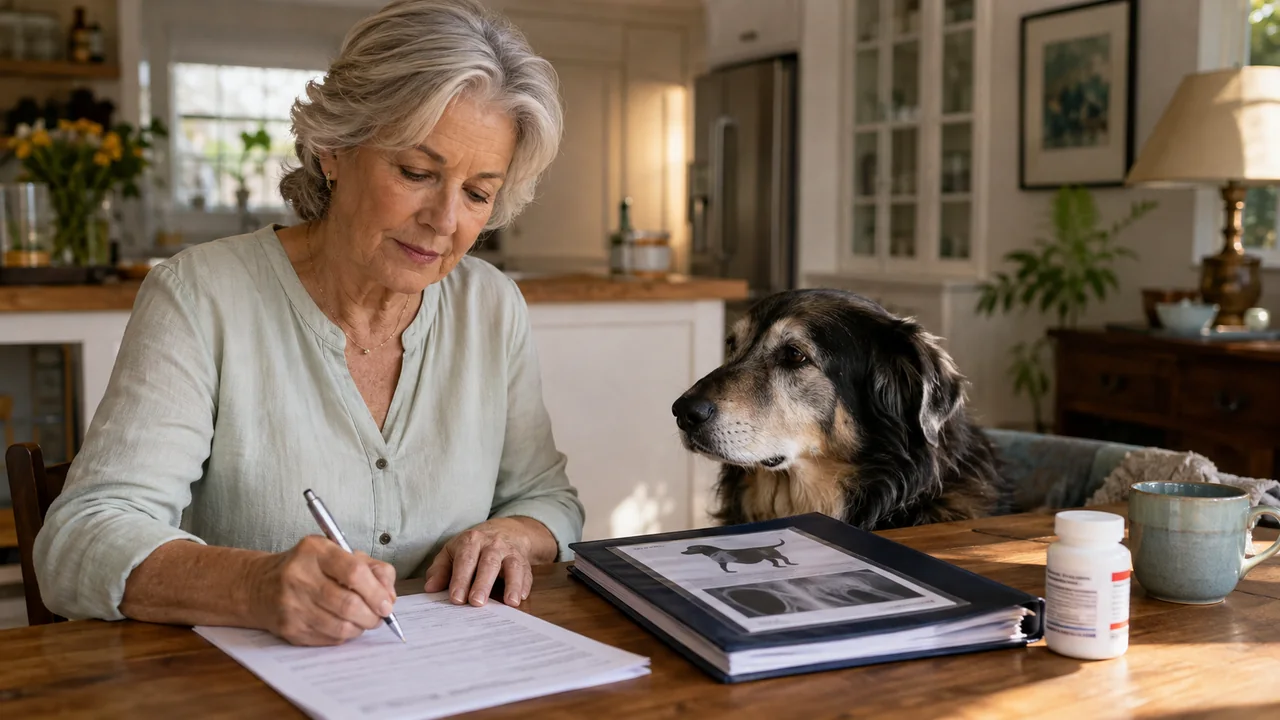
This guide covers a decision that is easy to make quickly and expensive to make wrongly. A pet is frequently a significant source of comfort and structure, and it also needs a plan that does not depend only on you.
Animals are frequently the thing that gets a bereaved person out of the house, and they are also a responsibility that has no fallback in a one-person household.
A pet provides routine and company, and its continued care needs an arrangement that survives your own illness.
The question underneath the paperwork
What follows is what is actually true, stripped of the anxiety around it. Pet ownership is associated with routine, activity, and social contact, all of which matter after a bereavement. An animal belonging to the person who died may need a decision about its future. A pet has no arrangement if the owner is hospitalised, unless one has been made.
Provision for a pet can be made in estate planning, and some jurisdictions permit specific arrangements. Cost of veterinary care can be significant and is worth planning for.
Sequence the work deliberately
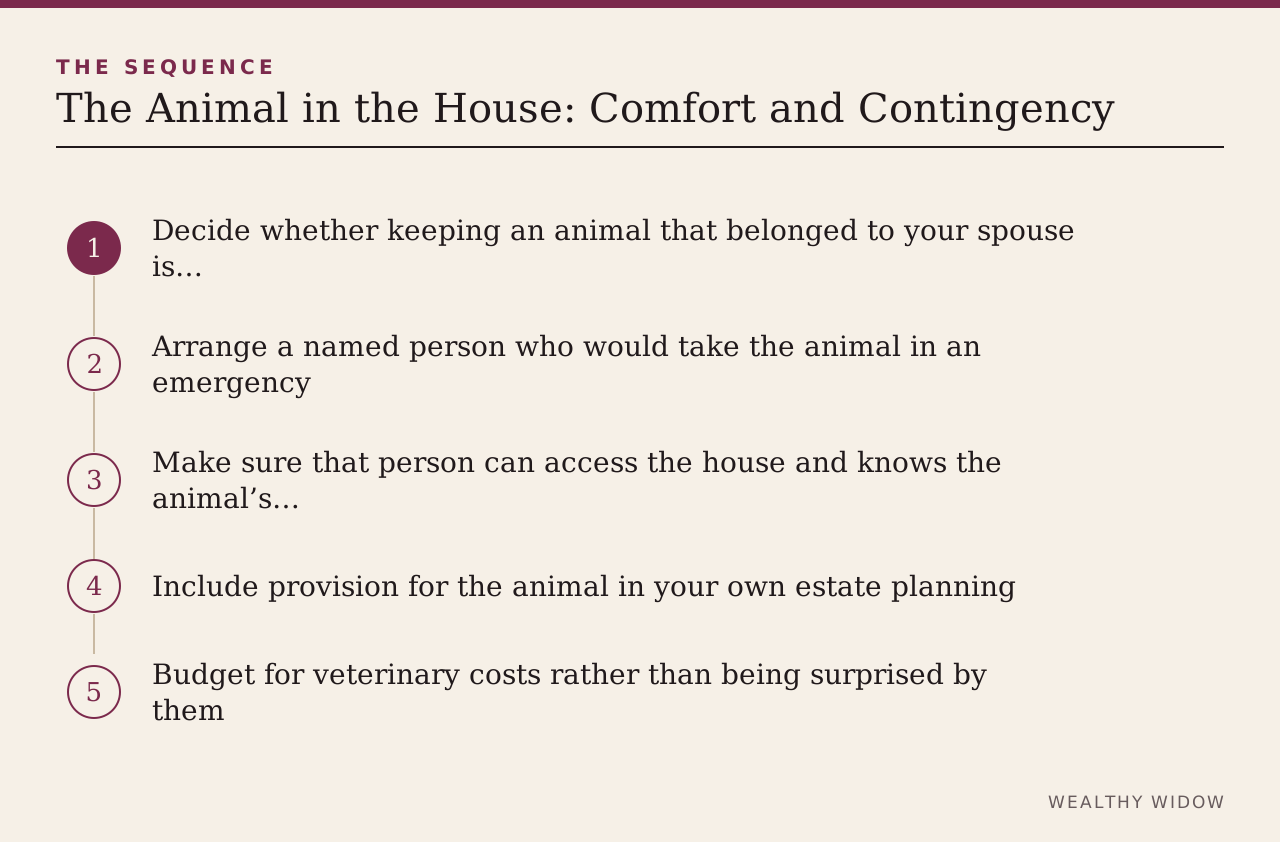
Do these in sequence, and do not skip ahead to the signature.
- Decide whether keeping an animal that belonged to your spouse is right for you, without pressure.
- Arrange a named person who would take the animal in an emergency.
- Make sure that person can access the house and knows the animal’s needs.
- Include provision for the animal in your own estate planning.
- Budget for veterinary costs rather than being surprised by them.
What to refuse, and why
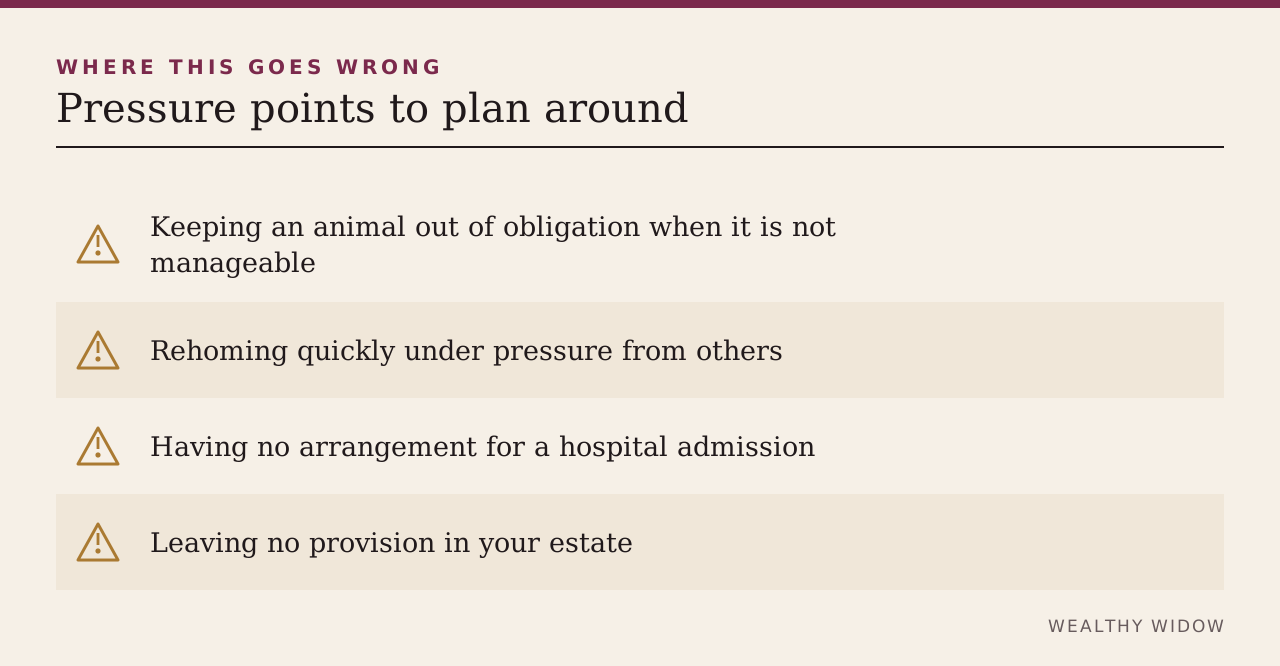
The failures here are predictable, which means they are avoidable. Keeping an animal out of obligation when it is not manageable.
Rehoming quickly under pressure from others, and regretting it. Having no arrangement for a hospital admission, which is the most likely gap. Leaving no provision in your estate, so the decision falls to whoever is available.
What to have to hand
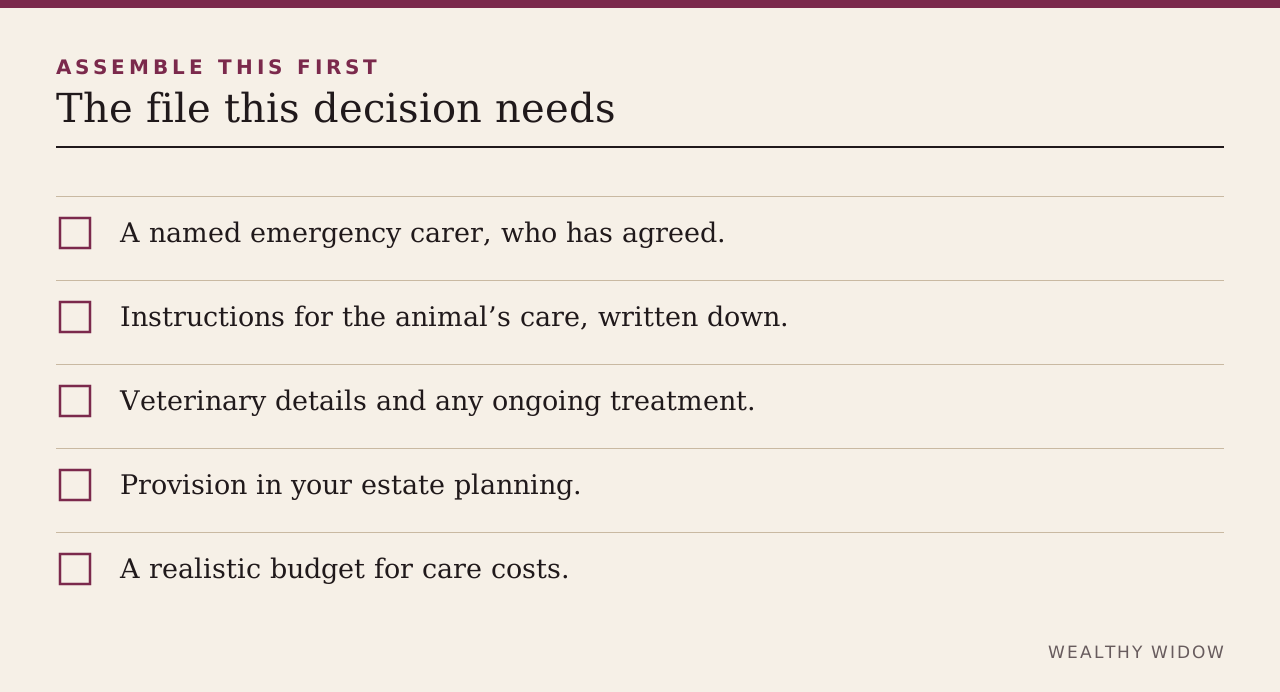
The paperwork below is what turns a long process into a short one.
- A named emergency carer, who has agreed.
- Instructions for the animal’s care, written down.
- Veterinary details and any ongoing treatment.
- Provision in your estate planning.
- A realistic budget for care costs.
Get these in writing
Put each item below in your file with a date and a named source.
- That an emergency carer is named and has agreed.
- That they can access the house and know what is needed.
- That your estate planning addresses the animal.
- That care costs are budgeted for.
The questions worth asking
These are the questions whose answers change what you decide, rather than merely confirming what you assumed.
- Would you take the animal if I were suddenly unable to?
- What provision can I make in my will for a pet?
- What are the likely ongoing care costs at this age?
- What local support exists for pet owners who need help?
Sources worth reading yourself
Where this guide and a source disagree, the source is right.
- National Institute on Aging — Coping with grief and loss
- Ready.gov — Prepare your pets for disasters
- Legal Services Corporation — I need legal help
The boundary of this guide
Be clear about the boundary; the wrong assumption here is expensive. It cannot tell you whether to keep an animal, and the decision should be yours rather than the product of anyone else’s discomfort.
Where this leaves you
Decide without pressure, then arrange the contingency. The animal is frequently one of the better things in a difficult year, and the only real gap is what happens if you are unwell.
Read Photographs, Messages, and What Survives a Phone Contract next; the two decisions interact.
Primary sources
- National Institute on Aging — Coping with grief and loss
- Ready.gov — Prepare your pets for disasters
- Legal Services Corporation — I need legal help
This article provides general education, not individualized legal, tax, investment, insurance, or benefits advice. Rules and deadlines change; verify the current requirement with the agency and a qualified professional.