Estate
Leaving Money to Someone Who Cannot Manage It
Where a beneficiary has a disability, an addiction, or simply no ability with money, an outright gift can do real harm.

Widowhood arrives with a queue of decisions that all look equally urgent. Where a beneficiary has a disability, an addiction, or simply no ability with money, an outright gift can do real harm. They are not the same task, and treating them as one is how good decisions get made badly.
This is among the most consequential estate planning decisions and one of the least discussed, because naming the concern out loud is uncomfortable. The structures that address it are well established.
An outright inheritance can remove means-tested support, fund an addiction, or vanish within a year, and each outcome is preventable.
Establish what this is
The position is narrower than it looks once it is stated plainly. An outright inheritance can disqualify a beneficiary from means-tested benefits and services. Trust structures exist specifically to provide for a beneficiary without displacing public support. A trust can also stage distributions over time rather than paying everything at once.
The trustee choice matters as much as the structure, since discretion is usually involved. Naming a minor directly can force a court-supervised arrangement rather than a chosen one.
A sequence, not a scramble
This is the working order most readers find keeps them in control.
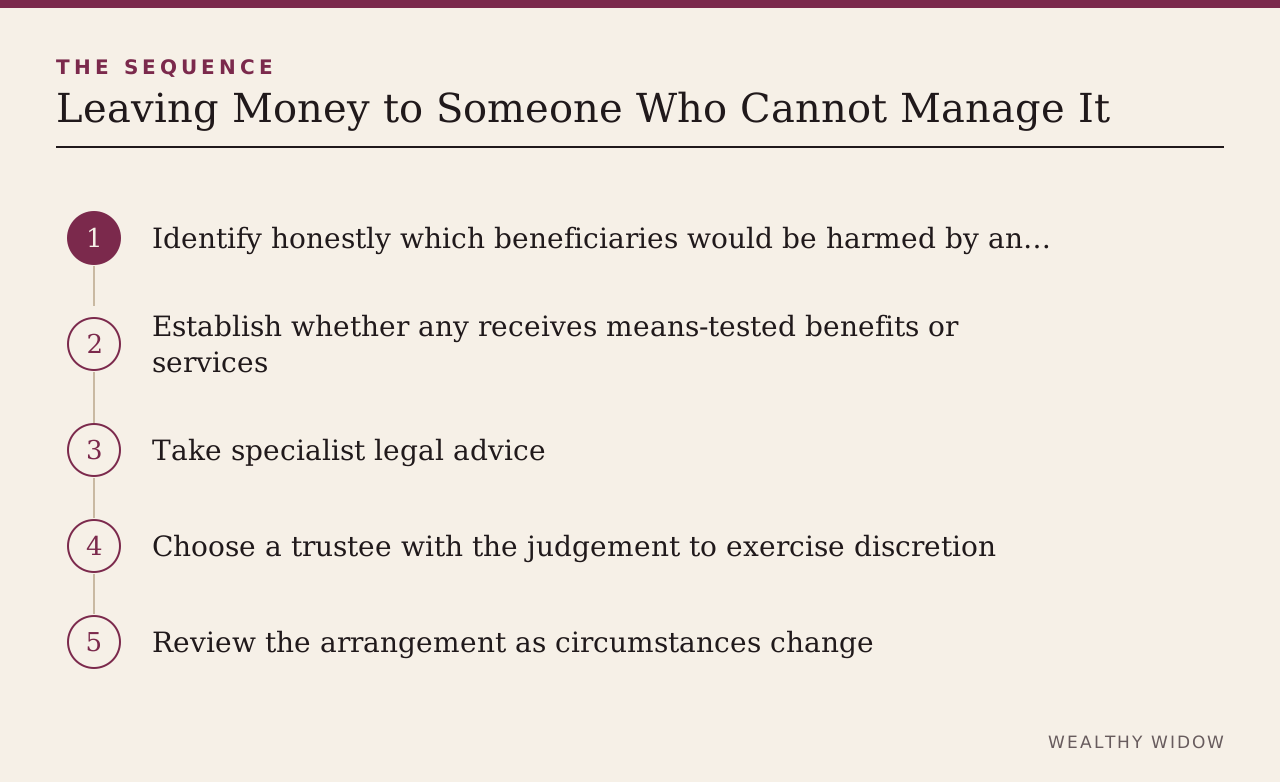
- Identify honestly which beneficiaries would be harmed by an outright gift.
- Establish whether any receives means-tested benefits or services.
- Take specialist legal advice, since these structures are technical and easy to get wrong.
- Choose a trustee with the judgement to exercise discretion, and name a successor.
- Review the arrangement as circumstances change, since they frequently do.
Common ways this decision is lost
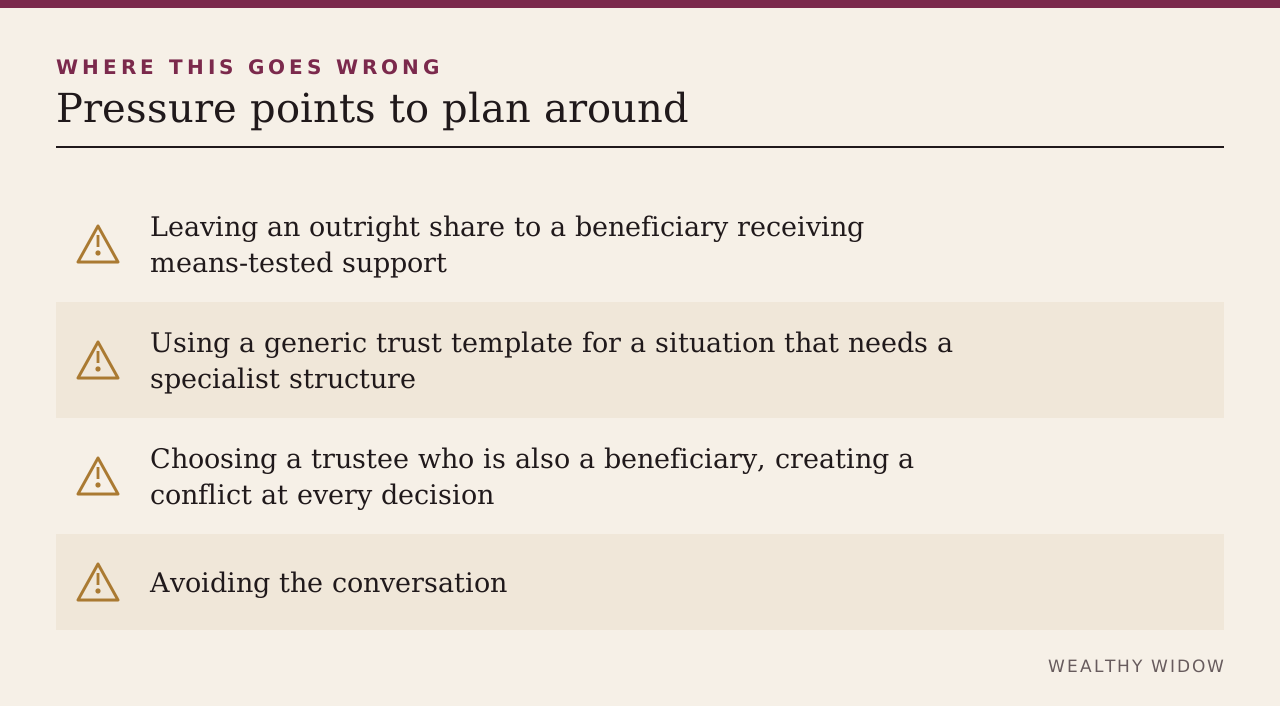
Knowing the failure modes in advance is most of the protection. Leaving an outright share to a beneficiary receiving means-tested support, and displacing it.
Using a generic trust template for a situation that needs a specialist structure. Choosing a trustee who is also a beneficiary, creating a conflict at every decision. Avoiding the conversation, and leaving the problem to whoever administers the estate.
The paperwork to collect first
Gather these first and the rest of the process moves considerably faster, because most delays are missing paperwork.
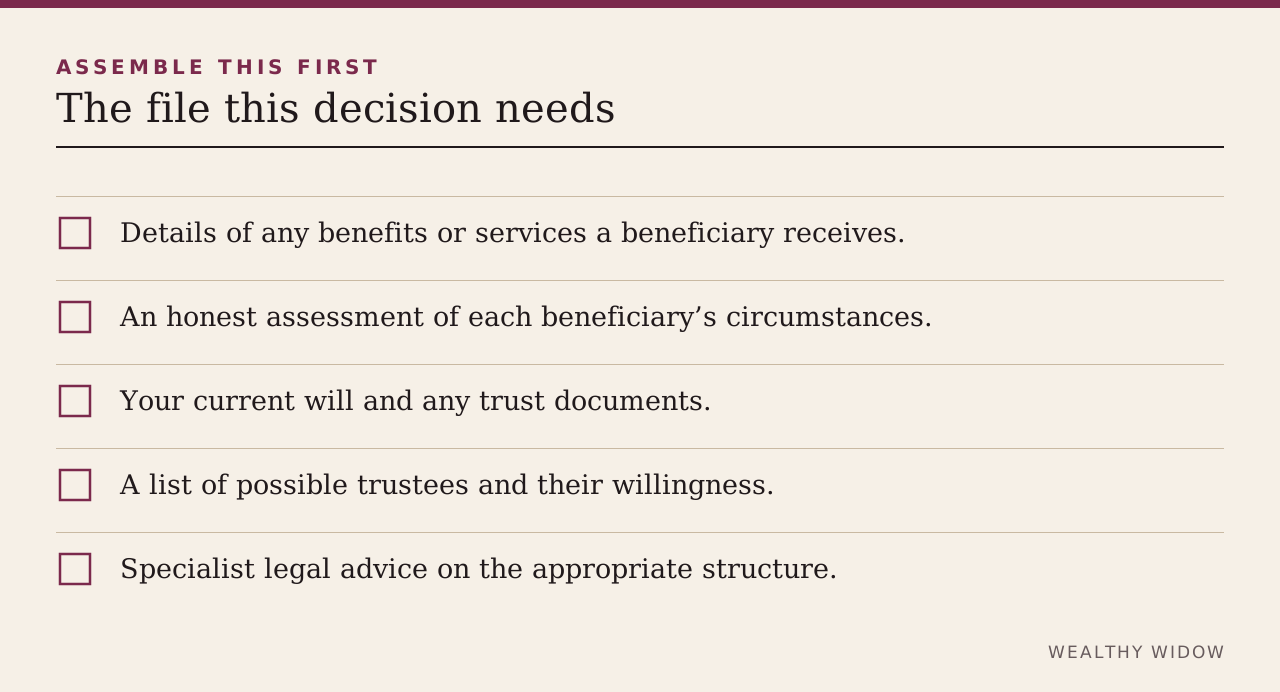
- Details of any benefits or services a beneficiary receives.
- An honest assessment of each beneficiary’s circumstances.
- Your current will and any trust documents.
- A list of possible trustees and their willingness.
- Specialist legal advice on the appropriate structure.
Put these in writing, then proceed
A conversation is a starting point. These belong on paper.
- Which beneficiaries would be harmed by an outright gift.
- What support any beneficiary currently receives.
- That the structure chosen is the right one for that support.
- That the trustee and a successor have both agreed.
Before anyone is engaged, ask these
Ask them plainly; the response tells you as much as the answer.
- What structure protects this beneficiary without displacing their support?
- Who should be trustee, and what discretion should they have?
- What happens if circumstances change after my death?
- What would go wrong with an outright gift here?
Where the current rule lives
Read the source directly for any figure, date, or threshold that will actually drive a decision you make.
- Legal Services Corporation — I need legal help
- American Bar Association — Find legal help
- Internal Revenue Service — Retirement topics, beneficiary
- Administration for Community Living — Long-term care resources
What this cannot decide for you
General guidance sets out the shape of a decision. Your documents settle it. It cannot design a structure. These arrangements are technical, interact with benefits rules, and need a specialist who has read the circumstances.
Before you move on
Name the concern honestly and take specialist advice. The structures exist precisely because outright inheritance harms some beneficiaries, and the harm is entirely foreseeable.
For the step that usually comes next, read Guardianship: The Appointment That Assumed Two Parents.
Primary sources
- Legal Services Corporation — I need legal help
- American Bar Association — Find legal help
- Internal Revenue Service — Retirement topics, beneficiary
- Administration for Community Living — Long-term care resources
This article provides general education, not individualized legal, tax, investment, insurance, or benefits advice. Rules and deadlines change; verify the current requirement with the agency and a qualified professional.